
1. Speed Kills (in a Good Way)
The first thing to consider when choosing a router is speed. It refers to the data transfer rate from your internet provider to your devices. This is measured in megabits per second (Mbps). The higher the Mbps, the faster the speed. If you're a busy household, or if you use it for business purposes, you'll want a router that can handle lots of wireless devices and several simultaneous data transfers- so look for one with high Mbps. Generally, a router with 1000 Mbps will provide sufficient speed.
2. "A" Is for Antennas
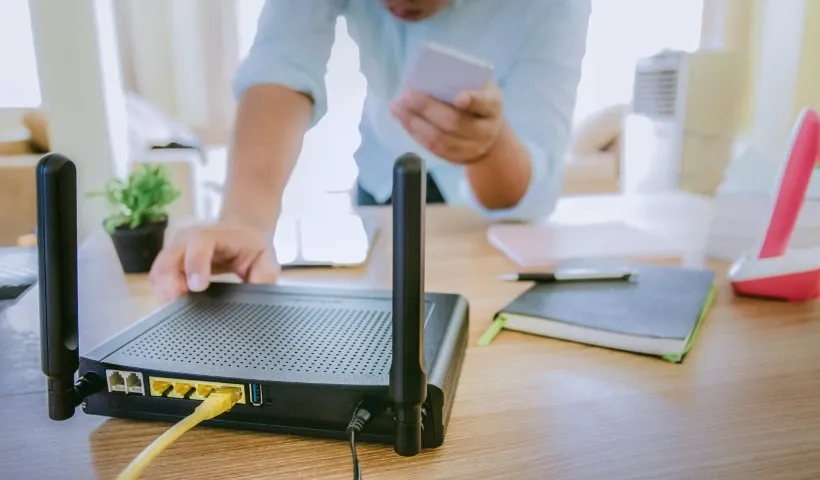
Next up, we have antennas. Some routers have one, some have two, and some have more. Sounds fancy, right? More antennas does equate to better performance, stability, and range - and that means better wifi coverage. Also, the location of the antennas makes a difference- for instance, external antennas can usually be pointed towards trouble spots in your home or office for better coverage.
3. Coverage is King
Coverage comes next after the speed and the antennas. It is the size of the area that a router can detect and connect to Wi-Fi devices. Naturally, larger homes or offices need routers with more coverage. When you come to choose one, ensure that you check the given coverage by the manufacturer. A good coverage range is around 2000-2500 square feet, while high-end routers can cover 5000 square feet or more.
4. Safety First
Like with any modern digital device, security has to be taken into account. YES! Just like you protect your phone, laptops, and other devices with passwords, your router also needs to be secured against unwanted access from hackers, neighbours, friends, or whoever else. Ensure that when you are purchasing a router, you select one that has WPA2 encryption, firewalls, password protection, and other features that prevent unauthorised access to your router.
5. Price Tag Talks
Finally, let's talk about the elephant in the room - price. Routers come in many shapes, sizes, features, and pricing. The good news is that you don't need to break the bank to get a good router—only if you want to be extra sure and protected. Most mid-range routers provide enough features to cater to small offices or households. You should be looking at routers in the price range of £50-£200. And, of course, the high-end routers go above that.
Conclusion:
In conclusion, selecting the right router comes down to your specific needs and lifestyle. While speed, antennas, coverage, security, and price may appear intimidating, they do not have to be with the Wi-Fi wizard present. Evaluating your requirements and matching them with the features mentioned will guide you towards the right router for you. By following these simple guidelines, you'll be able to make an informed decision that will keep your Wi-Fi signal strong and your connectivity reliable for years to come. Go ahead and choose your Wi-Fi prince, princess, king or queen!